Physical Therapy at Home — Safe Rehab Alternative
If you or a loved one are exploring rehabilitation options after surgery, a fall, or a period of limited mobility, physical therapy at home can feel like a lifeline. It brings professional rehab to your living room, removes transportation barriers, and lets clinicians tailor exercises and strategies to the place you actually live in. This article explains how in-home physical therapy works, who benefits most, what services therapists deliver at home, and how to collaborate with clinicians to build a safe, effective recovery plan.
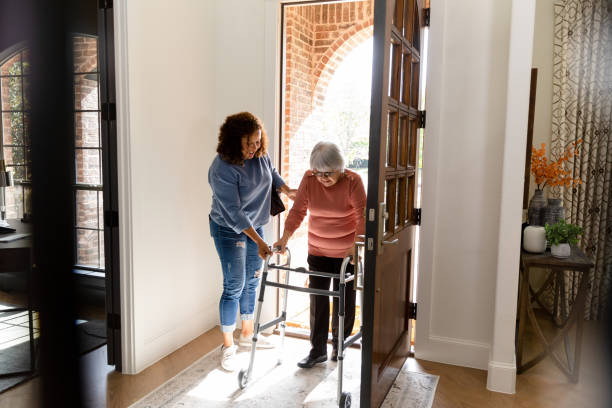
Why choose physical therapy at home?
Physical therapy at home offers practical advantages that matter to patients and families:
- Convenience and access: For people with limited mobility, chronic conditions, or without reliable transportation, home visits eliminate the logistical burden of traveling to a clinic. Scheduling is often more flexible around the patient’s daily routine.
- Safety and reduced exposure: Receiving care at home lowers risk of exposure to infectious illnesses and removes the fall risk linked to commuting. Therapists can evaluate home-specific hazards (loose rugs, narrow doorways) and recommend concrete changes.
- Personalized, real-world rehabilitation: A clinician working in the patient’s living environment can design exercises and strategies that directly translate to daily activities — climbing stairs, transferring to a toilet, or navigating the kitchen — rather than generic gym-based tasks.
- Comfort and dignity: Many patients recover faster when they’re relaxed and confident at home, surrounded by familiar rhythms and support networks.
- Better caregiver training: Home visits allow therapists to coach family members and caregivers in proper transfer techniques, exercise supervision, and safe progression of activities.
If regaining functional independence at home is the goal, physical therapy at home often accelerates transfer of skills from therapy to everyday life.
What conditions can be treated at home?
In-home physical therapy is effective for a broad range of conditions across age groups. Common examples include:
- Postoperative rehabilitation (orthopedic): joint replacements (hip, knee), rotator cuff repair, spinal decompression — focusing on pain management, range of motion, strength, and safe return to function.
- Neurological rehabilitation: stroke recovery, Parkinson’s disease, balance and gait training to reduce fall risk and improve mobility.
- Chronic pain and musculoskeletal conditions: low back pain, osteoarthritis, tendinopathies where individualized exercise, manual techniques, and education help manage symptoms.
- Balance and fall prevention: strength and vestibular exercises, home hazard assessment, and gait retraining.
- Cardiopulmonary rehab support: guided activity progression and breathing strategies for patients recovering from hospitalization for cardiac or pulmonary events (within safe protocols).
- Post-hospital/acute-care reconditioning: after prolonged bed rest or critical illness, to rebuild strength, endurance, and functional tolerance.
Not every complex intervention needs a clinic’s specialized equipment — much can be achieved with therapist-guided exercise, functional training, and adaptive strategies performed in the home setting.
Typical in-home services and what to expect during a visit
When a licensed physical therapist arrives at a patient’s home, they typically follow a structured clinical process:
- Initial assessment: a thorough history (medical background, surgical details, medications), pain and functional assessment, objective measures (strength, range of motion, gait), and discussion of personal goals.
- Home-environment evaluation: identifying tripping hazards, evaluating furniture height for safe transfers, checking bathroom access, and noting opportunities for assistive devices or simple modifications.
- Individualized treatment plan: clear short- and long-term goals, recommended visit frequency (e.g., 1–3 times weekly), and measurable milestones.
- Hands-on treatment and therapeutic exercise: manual therapy (as appropriate), guided strengthening, flexibility work, balance drills, gait training, and practice of activities of daily living (ADLs).
- Education and caregiver coaching: instruction on pain management strategies, safe transfer techniques, fall-prevention measures, and a home exercise program.
- Progress documentation and communication: therapists normally chart progress and, with the patient’s permission, update referring physicians or case managers.
Visits may range from 30–90 minutes depending on the patient’s needs. Many agencies also offer telehealth follow-ups combined with occasional in-person visits to maintain continuity while minimizing travel.
How therapists assess the home and tailor rehabilitation
A major strength of physical therapy at home is that the clinician can design interventions that account for the actual living space. Key assessment elements include:
- Functional task analysis: the therapist watches the patient perform everyday tasks (e.g., getting dressed, sitting to standing, walking to the bathroom) and breaks each activity into components that can be trained.
- Mobility and transfer review: careful observation of how the patient rises from chairs, uses stairs (if present), and moves in tight spaces. The therapist recommends adaptive techniques or temporary equipment if needed.
- Environmental barriers: identification of carpets, raised thresholds, poor lighting, or narrow hallways that may increase risk; practical, low-cost suggestions are prioritized.
- Strength and endurance testing: targeted measures to determine which muscle groups limit function and how to sequence training safely.
- Cognitive and sensory screening: assessing attention, memory, and sensation (important in stroke or neurological patients) to ensure that exercise prescriptions are safe and effective.
Because the plan is context-specific, the therapist’s exercises and strategies are directly portable to daily living, making gains more meaningful and easier to maintain.
Building a collaborative rehabilitation plan with your therapist
Partnering effectively with a therapist maximizes outcomes. Here’s a step-by-step approach to collaboration:
- Set clear, meaningful goals: focus on functional outcomes — e.g., "walk to the mailbox," "climb one flight of stairs," "independently get in/out of the shower" — rather than vague objectives. Goals should be specific, measurable, achievable, relevant, and time-bound.
- Agree on frequency and format: discuss visit cadence (in-person vs. telehealth), total expected duration, and who will attend (family, caregiver).
- Share medical history and medications: provide the therapist with discharge summaries, physician notes, and a current medication list to avoid safety issues.
- Define roles for home-based exercises: clarify which exercises the therapist will supervise and which the patient or caregiver will perform independently.
- Use measurable milestones: simple metrics like steps walked, timed up-and-go scores, or number-of-independent transfers help track progress objectively.
- Regular reviews and adjustments: a good plan is dynamic. The therapist should adjust difficulty, frequency, or techniques based on response, pain levels, and patient feedback.
- Communication with the care team: with permission, therapists can coordinate with physicians, nurses, occupational therapists, and case managers to align goals and prevent redundant or conflicting instructions.
A collaborative plan empowers patients and caregivers by making expectations transparent and progress visible.
Safety, credentials, and quality assurance
Safety is central to any rehabilitation program. To ensure safe in-home care:
- Verify credentials: licensed physical therapists (PTs) and, where appropriate, licensed physical therapist assistants (PTAs) should be identifiable by state licensure. Ask for the clinician’s professional license number and the agency’s accreditation or oversight policies.
- Confirm experience with your condition: ask about a therapist’s clinical experience with specific conditions (orthopedics, neurology, geriatrics). Experience matters for safe progression and problem-solving.
- Inquire about training in falls prevention and manual handling: therapists who work at home need strong skills in assessing home risk and teaching caregivers safe transfer techniques.
- Check infection-control protocols: confirm that clinicians follow basic hygiene practices, especially when patients are immunocompromised or recently discharged.
- Documentation and reporting: quality providers keep clear records, measurable progress notes, and communicate relevant changes back to the referring physician.
- Emergency readiness: therapists should have protocols if a patient experiences acute changes during a visit (e.g., chest pain, sudden neurological change), including clear plans for contacting emergency services.
While agency policies vary, asking these questions upfront helps ensure that home-based care meets clinical safety and quality expectations.
Practical tips for patients and caregivers
Preparation and small adjustments make home rehab safer and more effective:
- Prepare a therapy space: clear a 6–8 foot area free of loose rugs and clutter for exercises; good lighting and a sturdy chair with armrests are often enough.
- Gather simple items: the therapist may use resistance bands, a towel, a stable step, or household items such as water bottles as weights — no expensive equipment necessary.
- Wear suitable clothing and shoes: supportive, closed-toe shoes and comfortable clothing help with mobility and safety.
- Keep a progress log: note pain levels, repetitions completed, distance walked, and any adverse events. Sharing this log aids clinician decision-making.
- Learn safe transfer methods: caregivers should practice under supervision to learn safe body mechanics and use of assistive devices.
- Set reminders and routines: consistent daily practice improves outcomes; short, frequent practice sessions often beat long, sporadic ones.
- Know escalation signs: increased chest pain, sudden shortness of breath, new numbness/weakness, or sudden severe headache require immediate medical attention.
Small steps at home can significantly reduce complications and support a smoother recovery.
Realistic expectations and measures of success
Recovery timelines vary widely depending on diagnosis, baseline fitness, comorbidities, and adherence. Key points to keep in mind:
- Functional milestones matter more than timelines: instead of fixating on “how many weeks,” focus on whether you can perform targeted tasks (e.g., sit-to-stand without hands, walk to the mailbox with a cane).
- Progress is often non-linear: plateaus and brief setbacks are common; therapists use measured regression to adjust the plan safely.
- Pain with movement is not always bad: some discomfort during progressive strengthening can be expected, but sharp, worsening pain or new neurological symptoms should be reported immediately.
- Maintenance is ongoing: once key goals are met, a maintenance program helps preserve gains and prevent decline.
Regular, objective reassessment (timed walking tests, balance measures, strength checks) keeps expectations realistic and guides progression.
Anonymized success stories (illustrative vignettes)
Below are short, anonymized examples showing how in-home therapy helps different people — not guarantees, but illustrative scenarios.
Case A — Post-knee replacement, age 72: After hospital discharge, Mrs. L received three weekly home visits focusing on ROM, quadriceps activation, and stair practice using her own staircase. At six weeks she transitioned to once-weekly telehealth check-ins and a daily home exercise program, regaining independence for most ADLs.
Case B — Stroke recovery, age 58: Mr. G had moderate left-sided weakness after an ischemic stroke. In-home therapy emphasized task-specific training (sit-to-stand, transfers, walking in narrow corridors) and caregiver education. Over three months he improved balance and reduced his need for caregiver assistance during toileting.
Case C — Chronic low back pain, age 46: Ms. T worked from home and had recurring flare-ups. A therapist performed ergonomic coaching, core stabilization exercises adapted to her home workspace, and graded activity progression. She reported fewer pain episodes and a return to full work duties.
These vignettes show how goals tied to real-life tasks and environments produce meaningful functional change.
Cost, coverage, and payment considerations (high-level)
Payment and coverage models differ by region and insurer. High-level considerations:
- Insurance and Medicare: many insurers and Medicare cover physical therapy when ordered by a physician and when deemed medically necessary. Coverage specifics (visit limits, co-pays, prior authorization) vary.
- Private pay and cash options: some patients pay out-of-pocket for in-home visits when coverage gaps exist or for faster access.
- Bundled or post-acute care programs: certain post-discharge programs may include home-based therapy as part of care coordination; details vary by provider and payer.
- Ask for a clear estimate: reputable providers will explain expected visit frequency, duration, and likely out-of-pocket costs before starting care.
Always discuss financial questions with the clinician and your insurer to understand what’s covered for your situation.
How to decide between in-home and clinic-based therapy
Both options have strengths. Consider this checklist:
- Mobility & transport: if traveling is unsafe or difficult, in-home care reduces risk.
- Need for specialized equipment: some post-op or athletic rehab requires gym-based tools (e.g., anti-gravity treadmills). If those are critical, clinic visits may be necessary.
- Complex, multi-disciplinary needs: patients requiring multiple simultaneous services (e.g., prosthetic training, aquatic therapy) may benefit from clinic or hybrid models.
- Preference for personalization and caregiver involvement: if you want training in your actual home routines, in-home therapy has the edge.
- Insurance constraints: coverage differences may influence the practical choice.
A blended approach (initial home visits, then clinic-based strengthening) often provides the best balance for many patients.
Questions to ask before starting in-home therapy
Use these conversation starters with potential providers:
- What are the clinician’s credentials and experience with my condition?
- How will you coordinate with my physician?
- What does a typical visit involve and how long will the program last?
- How do you document and report progress?
- What infection control and safety protocols do you follow?
- What will my out-of-pocket costs likely be?
Clear answers help set expectations and build trust.
Final summary — Empowered recovery in your own home
Physical therapy at home is a clinically sound, patient-centered pathway for many people recovering from surgery, coping with chronic conditions, or seeking safer, more convenient rehab. It translates therapy to the real-world environment, enables caregiver training, and can reduce barriers that often slow recovery. By verifying credentials, collaborating on clear functional goals, preparing your home, and measuring progress, patients and caregivers can make informed choices that support safe, sustainable recovery.
If you’re considering in-home rehab, start by talking with your primary clinician and asking the practical questions above. With thoughtful planning and skilled clinicians, physical therapy at home can be a safe, effective alternative to traditional rehab centers.