Understanding High Blood Pressure: Symptoms and Warning Signs Explained
High blood pressure, also known as hypertension, is a common health condition that affects millions of adults in the United States. Recognizing high blood pressure symptoms early can help individuals take proactive steps to manage their health and reduce the risk of long-term complications.
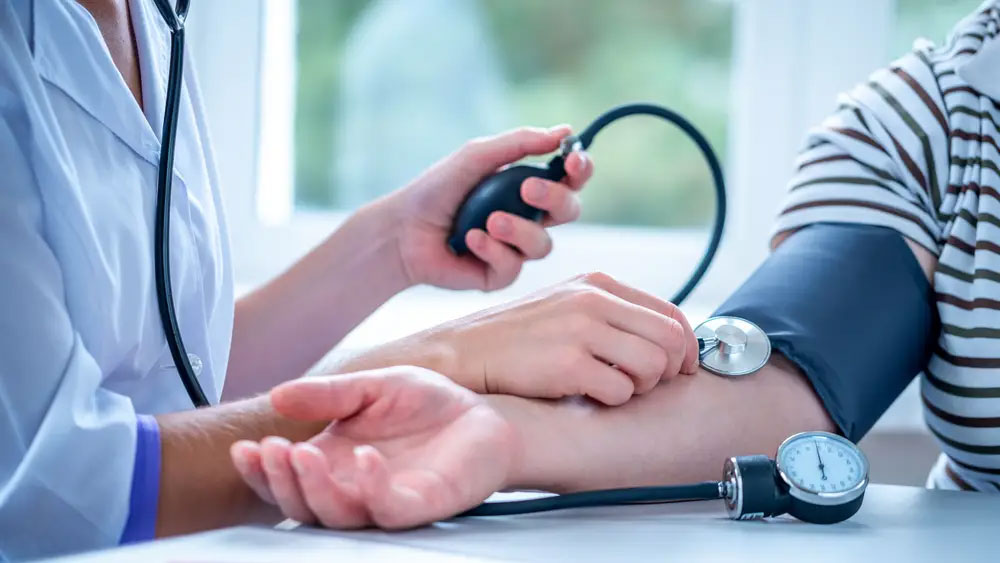
What Is High Blood Pressure?
Blood pressure measures the force of blood pushing against the walls of your arteries. When this pressure is consistently too high, it can lead to serious health issues such as heart disease, stroke, and kidney problems. Hypertension often develops gradually and may not cause noticeable symptoms at first, which is why it is sometimes called the “silent condition.”
Common Symptoms of High Blood Pressure
While high blood pressure is frequently symptomless, some people may experience warning signs. These can include:
- Headaches, particularly in the morning
- Dizziness or lightheadedness
- Shortness of breath during physical activity
- Visual changes, such as blurred vision
- Nosebleeds in rare cases
It is important to note that these symptoms are not exclusive to high blood pressure and may result from other medical conditions. Regular monitoring is essential for accurate detection.
Understanding the Warning Signs
High blood pressure can affect different parts of the body, and understanding potential warning signs is crucial for prevention:
Cardiovascular Warning Signs
Elevated blood pressure increases the strain on the heart. Symptoms such as chest discomfort, palpitations, or an irregular heartbeat may indicate the cardiovascular system is being affected.
Neurological Warning Signs
Hypertension can impact the brain, sometimes leading to headaches, confusion, or difficulty concentrating. Persistent or severe headaches should prompt a consultation with a healthcare provider.
Visual and Kidney-Related Signs
High blood pressure may damage small blood vessels in the eyes and kidneys. Blurred vision or swelling in the hands and feet can be indicators that these organs are under strain.
Factors That Increase the Risk
Several lifestyle and health factors contribute to the risk of developing high blood pressure:
- High sodium diet
- Sedentary lifestyle
- Obesity or overweight
- Chronic stress
- Family history of hypertension
- Age over 40
Understanding these risk factors can help guide preventive strategies.
How to Monitor Your Blood Pressure
Monitoring blood pressure at home is an effective way to detect hypertension early. Automated blood pressure monitors are widely available, and readings should be recorded regularly. Discussing results with a healthcare provider ensures proper interpretation and follow-up actions.
Lifestyle Approaches to Support Healthy Blood Pressure
Even without medical treatment, certain lifestyle adjustments can help maintain blood pressure within a healthy range:
- Reducing sodium intake
- Maintaining a balanced diet rich in fruits and vegetables
- Engaging in regular physical activity
- Managing stress through mindfulness or relaxation techniques
- Avoiding excessive alcohol consumption
- Quitting smoking
These approaches are general recommendations and should be tailored to individual health conditions with guidance from a healthcare professional.
When to Seek Medical Advice
If you experience persistent headaches, shortness of breath, chest discomfort, or sudden changes in vision, it is important to consult a healthcare provider. Early assessment can help prevent potential complications.
Summary
Recognizing high blood pressure symptoms and understanding high blood pressure warning signs are essential steps toward proactive health management. While hypertension may not always cause noticeable symptoms, monitoring, awareness, and lifestyle adjustments can contribute to better long-term health outcomes.