Low Income Senior Apartments: How to Apply, Costs & Find Options Nearby
Finding safe, affordable housing on a fixed income can be challenging. That’s why many older adults search for low income senior apartments near me — housing designed specifically for seniors with limited income. These communities offer reduced rent, supportive environments, and age-friendly living spaces that make day-to-day life easier and more secure.
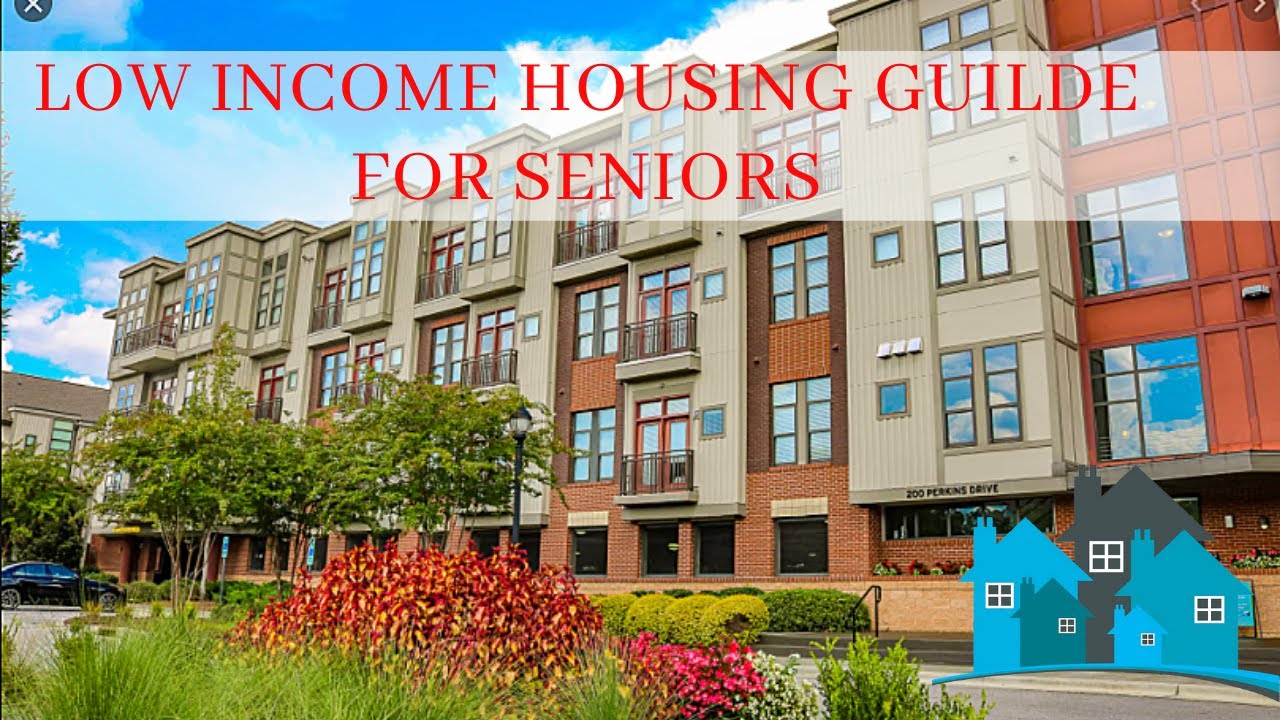
What Are Low Income Senior Apartments?
Low income senior apartments are housing communities for adults typically 55+ or 62+ that offer rent based on income rather than market rates. Many are supported by federal, state, or local housing programs.
They are designed for:
✔ Seniors on Social Security ✔ Retirees with limited savings ✔ Individuals with disabilities ✔ Fixed-income households
These apartments are different from assisted living — they are independent housing, not medical care facilities.
How Much Do Low Income Senior Apartments Cost?
Rent is often calculated as a percentage of income.
Example: If a senior earns $1,200 per month, rent may be around $360/month (before utilities).
Who Qualifies?
Eligibility depends on:
🧓 Age
Most communities require residents to be 55 or older, many 62+.
💰 Income Limits
Income must fall below limits set by the area’s median income.
🇺🇸 Residency Status
Applicants usually must be U.S. citizens or eligible residents.
🏠 Household Size
Single seniors and senior couples qualify.
Income limits vary by city and state.
Common Features in Senior Apartments
Low income senior apartments often include:
- Ground-floor or elevator access
- Grab bars and accessibility features
- Community rooms
- Social activities
- On-site management
- Laundry facilities
- Sometimes utilities included
Some locations also provide transportation or service coordinators.
How to Find Low Income Senior Apartments Near You
Here’s the step-by-step approach:
1️⃣ Search Local Listings
Use terms like “low income senior apartments near me” or “senior income-based housing”.
2️⃣ Contact Property Managers
Ask about availability and waiting lists.
3️⃣ Check Housing Authorities
Local housing authorities manage Section 8 and other programs.
4️⃣ Apply Early
Waiting lists can be long in some areas.
What Documents You’ll Need
Most applications require:
✔ Proof of age ✔ Income statements (Social Security, pensions, etc.) ✔ Bank statements ✔ ID and residency documents ✔ Rental history
Waiting Lists & Availability
Because demand is high, many communities have waiting lists ranging from a few months to several years. Applying to multiple properties increases chances of getting housing sooner.
Senior Apartments vs Assisted Living
If daily care is needed, assisted living may be more appropriate.
Benefits of Low Income Senior Housing
✔ Affordable rent ✔ Age-friendly design ✔ Community and social support ✔ Safer living environments ✔ Reduced financial stress
Final Thoughts
Low income senior apartments provide a crucial option for older adults living on fixed incomes. While waitlists can be long, these communities offer stability, affordability, and a supportive environment.
Searching early and applying to multiple properties increases the likelihood of finding the right home.