How Much Does a Roof Replacement Cost? 2026 Price Guide
Roof replacement costs vary by roof size, materials, labor, pitch, accessibility, and structural condition. Asphalt shingles generally cost less than premium metal, tile, or slate. Understanding material prices, installation expenses, and additional charges helps homeowners plan a realistic budget, compare contractor estimates, and manage replacement costs when addressing aging or damaged roofs.
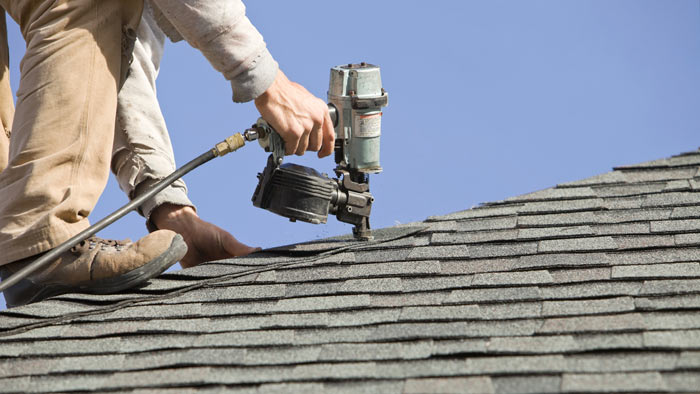
How Much Does Roof Replacement Cost in 2026?
For many homeowners, a complete roof replacement costs approximately $5,700 to $16,000, although larger or more complicated projects can exceed this range.
According to published 2026 cost estimates, basic asphalt shingle replacement generally costs around $3 to $6 per square foot. Premium roofing systems, steep roofs, and projects requiring structural repairs can cost significantly more.
The following table provides a general overview of estimated replacement costs.
These are broad planning estimates rather than guaranteed contractor prices. Total costs depend on the roof area, installation requirements, material grade, local labor rates, and project scope.
It is also important to understand that roofing contractors usually calculate prices using the actual roof surface area, not the home's interior square footage.
Roof Replacement Cost by Roof Size
Roof size is one of the biggest factors affecting the total replacement price. A larger roof requires more shingles or other roofing materials, additional underlayment, more labor, and greater disposal capacity.
Roofing contractors commonly use a measurement called a roofing square. One roofing square equals 100 square feet of roof surface.
For example, a roof measuring 2,000 square feet contains approximately 20 roofing squares.
The following table shows estimated replacement costs for different roof sizes using a general range of $3 to $6 per square foot.
These figures are simplified estimates and do not represent every material type or installation condition. Premium shingles, metal roofing, steep slopes, complicated roof designs, and extensive repairs can increase the final price.
A home's floor area is not necessarily the same as its roof area. Roof pitch, overhangs, attached garages, porches, dormers, and multiple roof sections can all increase the amount of roofing material required.
Roof Replacement Cost by Material
Choosing the right roofing material can significantly influence both the initial installation cost and long-term maintenance expenses.
Homeowners should consider more than the purchase price. Expected lifespan, weather resistance, maintenance requirements, energy efficiency, and compatibility with the existing roof structure are also important.
1. Asphalt Shingles
Asphalt shingles remain one of the most widely used residential roofing materials in the United States because they are relatively affordable and available in many styles.
Three-tab shingles are generally the least expensive option. Architectural shingles offer a thicker appearance and often provide better durability and wind resistance.
Estimated replacement costs:
- Three-tab asphalt shingles: $3–$5 per square foot
- Architectural shingles: $4–$6 per square foot
Advantages include relatively low installation costs, widespread contractor availability, and a broad selection of colors.
However, asphalt shingles may need replacement sooner than some premium roofing materials, depending on product quality, installation, climate, and maintenance.
2. Metal Roofing
Metal roofing is popular among homeowners looking for durability and long-term performance.
Common options include standing-seam metal panels, corrugated metal panels, and metal shingles.
Estimated replacement cost: $5–$16 per square foot for many metal roofing projects.
Standing-seam systems and premium metal products can cost considerably more because of specialized materials and installation requirements.
Potential benefits include:
- Long service life when properly installed
- Resistance to many common weather conditions
- Relatively low maintenance requirements
- Compatibility with various architectural styles
- Reflective finishes that may help reduce heat absorption
The main disadvantage is the higher initial investment compared with basic asphalt shingles.
3. Wood Shingles and Shakes
Wood roofing offers a natural appearance that can complement traditional and rustic homes.
Wood shingles are generally thinner and more uniformly cut, while wood shakes have a thicker, more textured appearance.
Estimated replacement cost: $7–$15 per square foot.
Wood roofing requires appropriate maintenance and may be restricted by local fire-safety requirements. Moisture, moss, and ventilation conditions can also affect its performance.
Homeowners should check local building regulations and insurance requirements before choosing this material.
4. Composite Roofing
Composite roofing is manufactured using synthetic materials designed to reproduce the appearance of traditional materials such as slate or wood.
Estimated replacement cost: $7–$14 per square foot.
Some composite products are designed to provide impact resistance, lower maintenance requirements, and a lighter weight than natural stone or slate.
Actual performance depends on the manufacturer's specifications, installation quality, and product warranty.
5. Tile Roofing
Clay and concrete tiles are common choices in regions where their appearance and durability suit local architecture and climate.
Estimated replacement cost: $7–$25 per square foot.
Tile roofing can last for many years when properly installed and maintained. However, its weight may require additional structural consideration.
Before installing tile, contractors should verify that the roof structure can support the proposed roofing system.
6. Slate Roofing
Natural slate is a premium roofing material known for its distinctive appearance and potential longevity.
Estimated replacement cost: $10–$30 per square foot.
Slate can be considerably more expensive than asphalt shingles because of material costs, transportation, specialized installation, and structural requirements.
It may be suitable for homeowners planning a long-term roofing investment, but the existing structure must be evaluated before installation.
What Factors Affect Roof Replacement Cost?
Two homes with similar roof areas can receive very different replacement estimates. Several project-specific factors determine the final price.
Roof Pitch and Complexity
A simple roof with a moderate slope is generally easier and faster to install than a steep roof with multiple angles.
Complex roof designs may include:
- Multiple roof sections
- Dormers and valleys
- Chimneys
- Skylights
- Different roof elevations
- Difficult flashing connections
These features require additional materials, specialized installation work, and more time.
Roof Removal and Disposal
Many full replacement projects require contractors to remove the existing roofing material before installing the new system.
Roof tear-off and disposal can cost approximately $1–$3 per square foot in some cost estimates, although actual charges depend on the number of existing layers, material type, disposal fees, and local labor rates.
Ask whether the contractor's estimate includes:
- Removing existing shingles
- Removing old underlayment
- Loading and transporting debris
- Dumpster rental
- Disposal fees
- Cleaning the surrounding property
Some estimates include these services in the total price, while others list them separately.
Roof Decking and Structural Repairs
After removing the old roofing material, contractors can inspect the underlying roof deck.
If plywood or other decking materials have been damaged by moisture, rot, or long-term leaks, replacement may be necessary.
Additional repairs can include:
- Replacing damaged roof sheathing
- Repairing roof framing
- Replacing flashing
- Repairing fascia boards
- Improving attic ventilation
- Addressing moisture damage
These expenses can substantially increase the final project cost.
Labor Costs
Roofing labor is a major part of the overall replacement budget.
Labor expenses vary according to regional wage levels, contractor experience, roof accessibility, installation complexity, and the roofing system selected.
A steep or difficult-to-access roof generally requires more safety equipment and additional labor time than a simple, walkable roof.
Permits and Local Requirements
Some roof replacement projects require permits or inspections, especially when structural components are modified.
Permit requirements differ between cities and counties. Homeowners should confirm local rules before signing a contract.
Additional Expenses to Include in Your Roofing Budget
The initial roofing estimate may not cover every expense required to complete the project.
These figures are general estimates and may not apply to every location or contractor. Some services may already be included in a complete replacement proposal.
Before comparing estimates, confirm that each contractor is pricing the same scope of work.
Roof Replacement Cost in Different Locations
Local labor rates, building requirements, material availability, and weather conditions can influence roofing prices.
For example, Seattle homeowners may face different costs from homeowners in areas with lower labor expenses or different roofing requirements.
Published 2026 Seattle estimates from Angi place the average roof replacement cost at approximately $12,646, with many projects falling between $8,045 and $17,399.
However, actual contractor proposals can be higher depending on roof size and the work included.
For example, local roofing project data published in 2026 by a Seattle-area contractor showed a median asphalt-shingle base price of approximately $9.42 per square foot. This figure excluded certain add-ons, steep-roof charges, access charges, and taxes.
The difference between online averages and contractor proposals highlights why homeowners should request an itemized inspection-based estimate rather than relying on a national average alone.
How to Know When Your Roof Needs Replacement
Not every roofing problem requires a complete replacement. Some issues can be resolved through targeted repairs.
However, several warning signs may indicate that the roof is approaching the end of its useful life.
Missing or Damaged Shingles
Missing, cracked, curling, or severely deteriorated shingles can expose the underlying roof structure to moisture.
A few damaged shingles may be repairable, but widespread deterioration may justify a replacement inspection.
Persistent Roof Leaks
Water stains on ceilings, damp insulation, and recurring leaks can indicate problems with the roofing system.
A professional inspection can help determine whether the source is localized flashing damage or more extensive roof deterioration.
Granule Loss
Asphalt shingles contain protective granules. Significant granule accumulation in gutters or visible bald areas on shingles may indicate advanced wear.
Sagging Roof Areas
A sagging roofline can indicate structural problems, moisture damage, or deterioration of the supporting materials.
This issue should be evaluated promptly by a qualified professional.
Aging Roofing Materials
The expected lifespan of a roof depends on the material, installation quality, climate, and maintenance history.
An older roof is not automatically due for replacement, but homeowners should arrange an inspection when the material approaches the end of its expected service life.
How to Save Money on Roof Replacement
A roof replacement is a substantial expense, but careful planning can help homeowners avoid unnecessary costs.
Compare Multiple Contractor Estimates
Request at least three written estimates from qualified roofing contractors.
Compare the following details:
- Roofing material and manufacturer
- Product grade and specifications
- Tear-off and disposal
- Underlayment and flashing
- Labor and installation scope
- Decking repair allowances
- Permit responsibilities
- Cleanup and disposal
- Workmanship and manufacturer warranties
The lowest estimate is not necessarily the best value. An unusually low quote may exclude important work or use lower-grade materials.
Choose Materials Based on Long-Term Value
A cheaper roofing material may reduce the initial expense, but it is important to consider expected lifespan and maintenance costs.
Compare the total ownership cost rather than focusing exclusively on the installation price.
Schedule Work Before an Emergency
If your roof is aging but not actively leaking, planning ahead gives you more time to compare contractors, select materials, and arrange financing.
Emergency replacement can limit your choices and make scheduling more difficult.
Check Your Homeowners Insurance
Homeowners insurance may cover roof damage caused by qualifying sudden events, such as certain storms or falling objects.
However, policies commonly exclude ordinary wear and tear, aging, and neglected maintenance.
Review your policy and document any storm damage before beginning major work. Do not assume that an aging roof will qualify for an insurance claim.
Review Financing Options
Some roofing contractors offer financing through third-party lenders.
Homeowners may also consider personal loans or other financing options, depending on eligibility and borrowing costs.
Before accepting a financing offer, compare the APR, repayment period, fees, monthly payment, and total amount repaid.
How to Choose a Roof Replacement Contractor
Selecting a qualified contractor is just as important as choosing the roofing material.
Poor installation can lead to leaks, premature deterioration, and warranty disputes, even when high-quality materials are used.
Consider the following checks before signing an agreement:
Verify licensing and insurance. Confirm that the contractor meets applicable state and local licensing requirements and carries appropriate liability and workers' compensation coverage.
Review previous projects. Ask for examples of completed roofing projects and look for customer feedback from multiple sources.
Request a written estimate. The proposal should clearly identify materials, installation work, removal, repairs, payment terms, and exclusions.
Understand the warranty. Manufacturer warranties and contractor workmanship warranties cover different things. Ask what is included and what conditions may void coverage.
Avoid excessive upfront payments. Payment schedules should be clearly documented and comply with local regulations.
Get change orders in writing. If hidden damage is discovered after the old roof is removed, the contractor should explain the additional work and obtain approval before proceeding.
Frequently Asked Questions About Roof Replacement Cost
How much does it cost to replace a roof on a 2,000-square-foot house?
A simplified estimate using $3–$6 per square foot is approximately $6,000–$12,000. However, this is based on roof surface area, not necessarily the home's floor area. Material selection, roof pitch, removal, and additional repairs can increase the final price.
What is the cheapest roofing material to install?
Three-tab asphalt shingles are generally among the least expensive residential roofing options. They offer a lower initial installation cost than many metal, tile, slate, and premium composite systems.
Is it cheaper to repair or replace a roof?
A targeted repair is usually less expensive when the damage is limited to a small area and the rest of the roofing system remains in good condition. Replacement may offer better long-term value when damage is widespread or the roof is nearing the end of its service life.
Does homeowners insurance pay for roof replacement?
Insurance may cover replacement when the roof has qualifying damage from a covered event. Ordinary aging, deterioration, and maintenance-related problems are generally not covered. The exact decision depends on the policy and the circumstances of the damage.
How long does a roof replacement take?
Many residential asphalt-shingle replacements can be completed in one to several days. Larger roofs, complex designs, adverse weather, structural repairs, and specialty materials may extend the project timeline.
Can a new roof increase home value?
A new roof can improve a home's appearance, address visible maintenance concerns, and make the property more attractive to potential buyers. The financial return depends on the local housing market, roofing material, project cost, and buyer expectations.
Final Thoughts
Roof replacement cost in 2026 depends on much more than the size of a home. Roofing material, labor, roof pitch, removal requirements, structural repairs, and local market conditions all influence the final investment.
Asphalt shingles remain a popular choice for homeowners seeking a lower initial cost, while metal, composite, tile, and slate systems may offer different durability and appearance benefits at higher prices.
The most reliable way to establish your budget is to have the roof measured and inspected by qualified contractors. Obtain multiple itemized estimates, compare the complete installation scope, and review warranty terms before making a decision.