How Much Does It Cost to Replace a Transmission? 2026 Guide
Transmission replacement can cost several thousand dollars, depending on the vehicle, transmission type, parts, and labor. Warning signs include slipping gears, delayed shifting, and unusual noises. Understanding replacement costs, comparing new and rebuilt options, and considering your vehicle’s value can help determine whether the repair is worth the investment.
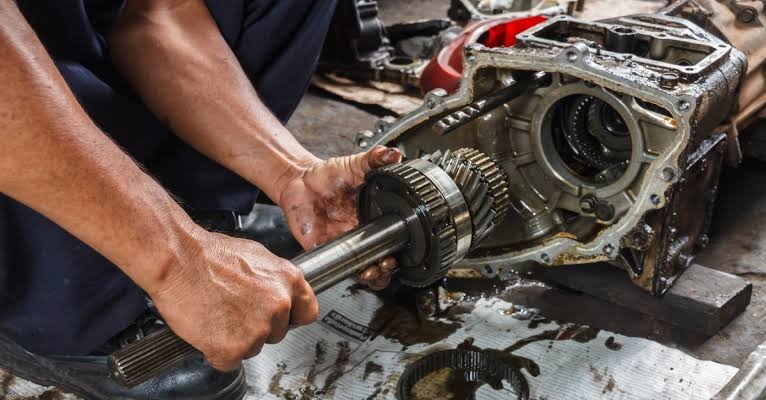
How Much Does Transmission Replacement Cost in 2026?
A complete transmission replacement generally costs between $4,000 and $8,000 for many modern vehicles, although the price can be lower or considerably higher depending on the vehicle and transmission design.
RepairPal's national estimate, updated in September 2026, places the average replacement cost at approximately $6,238 to $6,764, excluding taxes and fees.
The following table provides general planning ranges for different replacement options.
These are broad estimates rather than guaranteed prices. Some older vehicles may cost less to repair, while newer vehicles with specialized transmissions can exceed the ranges shown.
The final estimate should include the transmission unit, installation labor, required fluids, related components, programming or calibration, and applicable shop fees.
Transmission Replacement Cost by Transmission Type
The type of transmission installed in your vehicle is one of the biggest factors affecting replacement costs.
Different designs require different parts, installation procedures, and levels of technical expertise.
Manual Transmission Replacement Cost
Manual transmissions are generally less complex than modern automatic systems, although the actual replacement price depends on the vehicle and availability of parts.
Estimated installed cost: $2,000–$5,000.
A manual transmission replacement may involve removing the transmission, inspecting the clutch system, installing the replacement unit, and checking related drivetrain components.
If the clutch is also worn, replacing it during the same repair may increase the bill but can avoid paying for overlapping labor later.
Automatic Transmission Replacement Cost
Automatic transmissions use hydraulic systems, electronic controls, clutches, and other internal components to change gears without driver-operated clutch engagement.
Estimated installed cost: $2,500–$7,000 for many vehicles, depending on the transmission design.
Modern automatic transmissions with eight, nine, or ten speeds can be more expensive because of their specialized components and installation requirements.
CVT Transmission Replacement Cost
A continuously variable transmission, commonly called a CVT, uses a different mechanism from a traditional automatic transmission.
CVTs are found in many vehicles from manufacturers such as Nissan, Honda, Toyota, and Subaru.
Estimated installed cost: $4,000–$8,000.
CVT replacement costs can vary substantially because some units are difficult to rebuild, replacement parts may be limited, and specialized diagnostic procedures may be required.
Before approving a complete replacement, ask the mechanic to confirm that the problem is inside the transmission rather than a sensor, control module, wiring issue, or other related component.
Dual-Clutch Transmission Replacement Cost
Dual-clutch transmissions, also known as DCT or DSG systems, are used in various performance-oriented and European vehicles.
Estimated installed cost: $5,000–$10,000 or more.
These systems use specialized clutch assemblies and electronic controls. Replacement may require manufacturer-specific diagnostic equipment, adaptation procedures, and software programming.
Transmission Replacement Cost by Vehicle
The make and model of your vehicle can have a major impact on the final replacement estimate.
A common compact car may have relatively affordable replacement parts, while a luxury SUV or performance vehicle may require a more expensive transmission assembly.
The following examples illustrate how costs can vary by vehicle and transmission design.
These are illustrative budgeting ranges, not verified model-specific quotations. Transmission configuration, model year, engine, drivetrain, and replacement-part availability can change the price significantly.
For an accurate estimate, a repair shop will generally need your vehicle identification number (VIN).
Transmission Replacement Cost Breakdown: Parts and Labor
A transmission replacement bill usually consists of two major components: the replacement unit and the labor required to remove and install it.
Based on the September 2026 RepairPal national estimate, parts account for approximately $5,110, while labor generally ranges from $1,127 to $1,654.
Not every vehicle requires every additional service. Some replacement units include certain components, while other installations require separate purchases.
Ask the repair shop for an itemized estimate so you can identify exactly what is included.
Transmission Parts Cost
The replacement transmission itself is usually the largest expense.
Prices depend on whether the unit is new, used, rebuilt, or remanufactured.
New OEM transmissions generally cost more because they are supplied to manufacturer specifications. Used units can be less expensive, but their service history and remaining lifespan may be uncertain.
Transmission Labor Cost
Transmission replacement is labor-intensive because the mechanic must remove the old unit, disconnect related components, install the replacement, and verify proper operation.
The process may involve:
- Removing the transmission and related components
- Inspecting the torque converter or clutch assembly
- Checking mounts, seals, and connections
- Installing the replacement unit
- Refilling the system with the correct fluid
- Performing diagnostic checks
- Completing required software or adaptation procedures
Depending on the vehicle, labor may take approximately 6–15 hours or more.
New vs. Used vs. Rebuilt vs. Remanufactured Transmission
Choosing the replacement unit can make a significant difference in the total cost.
Each option has different advantages, risks, and warranty considerations.
New Transmission
A new transmission is generally the most expensive option.
It may be appropriate for newer vehicles, vehicles with substantial remaining value, or situations where the manufacturer-supplied replacement is preferred.
Potential advantages include:
- New internal components
- Manufacturer specifications
- Potentially stronger warranty coverage
- No previous operating history
The main disadvantage is the higher purchase price.
Used Transmission
A used transmission is removed from another vehicle and installed in your car.
Estimated installed cost: $2,000–$5,000.
This option can reduce the initial expense, especially for older vehicles.
However, a used transmission may have an unknown maintenance history, mileage, or previous operating conditions.
Before purchasing one, ask about the donor vehicle, mileage, testing procedures, return policy, and warranty.
Rebuilt Transmission
A rebuilt transmission is disassembled and repaired by replacing worn or damaged components.
Estimated installed cost: $3,000–$6,000.
A rebuild may be suitable when the transmission housing and major components remain reusable.
The quality of the work depends on the rebuilder's experience, replacement parts, inspection process, and testing procedures.
Ask whether the warranty covers both parts and labor.
Remanufactured Transmission
A remanufactured transmission is generally rebuilt to a defined specification using inspected components and replacement parts.
Estimated installed cost: $4,000–$7,000.
Some remanufactured units are tested before being supplied to repair shops and may come with longer warranty coverage than certain used or locally rebuilt alternatives.
However, warranty terms vary by supplier. Check whether the warranty covers installation labor, towing, fluid, and related components.
Transmission Repair vs. Rebuild vs. Replacement
Not every transmission problem requires a complete replacement.
Some symptoms that appear to indicate transmission failure may be caused by smaller mechanical or electronic problems.
These estimates are broad planning figures. Actual costs depend on the vehicle, shop, parts, and extent of damage.
When a Minor Repair May Be Enough
A transmission may experience shifting problems because of a faulty sensor, damaged wiring, a solenoid issue, or a fluid-related problem.
If the internal components remain in good condition, repairing the affected part may cost considerably less than replacing the entire unit.
When a Rebuild Makes Sense
A rebuild may be worth considering when internal components are worn or damaged but the transmission can still be restored economically.
The repair shop should explain which parts will be replaced, which components will be reused, and how the finished unit will be tested.
When Full Replacement Is Necessary
A complete replacement may be more practical when the transmission has extensive internal damage, severe contamination, or multiple failed components.
It may also be preferable when a suitable replacement unit is available at a competitive price and a rebuild would involve substantial labor and uncertainty.
Signs Your Transmission May Need Replacement
Recognizing transmission problems early can help prevent additional damage.
The following symptoms deserve professional attention.
1. Slipping Gears
If the engine revs higher but the vehicle does not accelerate as expected, the transmission may be slipping.
This can result from worn internal components, hydraulic pressure problems, or other transmission-related faults.
2. Delayed Gear Engagement
A noticeable delay when shifting from Park into Drive or Reverse may indicate a transmission problem.
Low fluid, worn components, or electronic control issues can contribute to this symptom.
3. Grinding or Unusual Noises
Grinding, whining, clunking, or humming sounds may indicate problems involving transmission bearings, gears, or other components.
The exact cause requires inspection.
4. Transmission Fluid Leaks
Transmission fluid leaks can lead to inadequate lubrication and overheating.
Look for reddish or brown fluid underneath the vehicle, although fluid color varies depending on the transmission and fluid condition.
5. Burning Smell
A burning odor may indicate overheating or deteriorating transmission fluid.
Continuing to drive under these conditions can worsen the problem.
6. Warning Lights
A Check Engine light or transmission warning indicator may appear when the vehicle detects a drivetrain or control-system fault.
A diagnostic scan can help identify stored trouble codes, but codes alone do not always establish that the transmission must be replaced.
How Long Does Transmission Replacement Take?
Most professional transmission replacements take approximately one to three working days once the required parts are available.
However, the actual repair time depends on:
- Vehicle make and model
- Transmission accessibility
- Replacement-unit availability
- Additional damaged components
- Programming and calibration requirements
- Shop workload
A straightforward replacement may be completed more quickly, while a specialized transmission or a vehicle requiring additional repairs may take longer.
Ask the shop for an estimated completion date and whether the replacement unit is already available.
Is Transmission Replacement Worth It?
A transmission replacement can be financially reasonable when the rest of the vehicle is in good condition.
However, it may not make sense for an older car with high mileage and several other expensive mechanical problems.
Before approving the repair, compare the total replacement cost with the vehicle's current market value and overall condition.
Consider these factors:
Vehicle value: Compare the repair estimate with the car's current private-party or trade-in value.
Engine condition: A healthy engine and drivetrain may justify investing in a replacement transmission.
Mileage: High mileage does not automatically make replacement a poor decision, but it should be considered alongside expected future maintenance.
Other repairs: If the vehicle also needs suspension work, major engine repairs, or significant body repairs, the total investment may become excessive.
Warranty: A replacement unit with clear parts and labor coverage may provide greater financial protection.
For example, spending $5,000 on a transmission replacement may be reasonable for a well-maintained vehicle worth $12,000. The same expense may be difficult to justify for a vehicle worth only $4,000 that also needs other major repairs.
How to Save Money on Transmission Replacement
Transmission replacement is expensive, but several steps can help you control the total cost.
Get Multiple Written Estimates
Request estimates from at least three repair shops, including an independent transmission specialist and, when appropriate, a dealership.
Compare the exact replacement unit, labor hours, warranty, fluid requirements, and additional services.
Confirm the Diagnosis First
Do not authorize a complete replacement based only on a warning light or a single diagnostic code.
Ask the mechanic to explain the test results and identify why a smaller repair or rebuild would not solve the problem.
Compare Rebuilt and Remanufactured Units
A rebuilt or remanufactured transmission may cost less than a new OEM unit.
Compare the warranty, supplier reputation, installation requirements, and total installed price rather than choosing based only on the purchase price.
Ask About Warranty Coverage
A low-cost transmission may become expensive if it fails shortly after installation.
Confirm whether the warranty covers parts, labor, towing, and replacement installation.
Avoid Driving with Severe Transmission Symptoms
If the transmission is slipping badly, overheating, or making severe noises, continued driving may cause additional damage.
Ask the repair shop whether the vehicle should be towed rather than driven.
Frequently Asked Questions About Transmission Replacement Cost
How much does it cost to replace a transmission in 2026?
A commonly cited national estimate is approximately $6,238–$6,764, excluding taxes and fees. Actual prices can range from around $2,000 for certain used transmission installations to more than $10,000 for specialized or luxury vehicles.
Is it cheaper to rebuild or replace a transmission?
A rebuild can be less expensive than installing a new or remanufactured transmission, particularly when the original unit can be repaired without replacing major components. However, extensive damage may make a complete replacement more economical.
How much does a CVT transmission replacement cost?
A CVT replacement generally costs approximately $4,000–$8,000 installed, depending on the vehicle, replacement unit, and repair shop. Some specialized models can cost more.
Does car insurance cover transmission replacement?
Standard auto insurance generally does not cover mechanical failure caused by normal wear and tear. However, transmission damage resulting directly from a covered accident or other insured event may qualify for coverage, depending on the policy.
Extended warranties and vehicle service contracts may offer additional protection, subject to their exclusions and conditions.
Can I drive with a failing transmission?
Driving with a failing transmission is not recommended, especially if the vehicle is slipping, overheating, leaking fluid, or making unusual noises.
Continuing to drive may worsen the damage and create a safety risk. Have the vehicle inspected and ask whether towing is necessary.
How long does a replaced transmission last?
The lifespan depends on the quality of the replacement unit, installation, driving conditions, maintenance, and warranty specifications.
A properly installed new or remanufactured transmission may provide many additional years of service, but no specific lifespan is guaranteed.
Is it worth replacing a transmission on a high-mileage car?
It depends on the vehicle's overall condition and market value. If the engine, body, suspension, and other major components are in good condition, replacing the transmission may still be worthwhile.
If several expensive repairs are approaching, replacing the vehicle may be a better financial decision.
Final Thoughts
Transmission replacement cost in 2026 depends on the vehicle, transmission design, replacement-unit type, labor requirements, and local repair rates.
For many drivers, budgeting approximately $4,000–$8,000 is a reasonable starting point for a complete replacement, while specialized and luxury vehicles can cost significantly more.
Before approving the work, confirm the diagnosis, compare repair and replacement options, request multiple itemized estimates, and review warranty coverage carefully.
A well-informed decision can help you avoid unnecessary expenses and determine whether repairing your current vehicle is more economical than replacing it.